Most people first notice aging in motion. A quick squint in bright sunlight, the smile you flash in photos, the eyebrow you raise when something surprises you, all of these repeated expressions crease the skin in predictable patterns. Over time, those temporary folds become etched in. Botox cosmetic injections interrupt that cycle. They relax the muscle activity that drives expression lines, so the overlying skin can smooth out and stay smoother between expressions. When planned and placed well, the result looks like you on a rested day, not “frozen,” just fresher.
I have treated thousands of faces with botox over the years, from first time botox patients in their mid-twenties looking for preventative botox, to men in their fifties focused on deep frown lines, to women seeking a subtle botox refresh before a milestone event. The most consistent feedback is not about looking different. It is about looking more like how they feel on the inside, less tired, less stern, and with a softer texture that makes makeup sit better and skin look more even.
How botox works on skin and lines
Botox is a purified neurotoxin protein that temporarily reduces communication between nerves and targeted muscles. Think of it as a dimmer switch, not an off button. A tiny dose placed precisely into a facial muscle reduces its contraction strength. With less repetitive folding, the skin has a chance to recover. In areas where lines are formed primarily by expression, such as forehead lines, frown lines between the brows, and crow’s feet, botox for wrinkles softens creases and can prevent them from setting deeper.
The effect on skin texture is twofold. First, reduced movement decreases the microtrauma of constant folding, so the surface looks smoother at rest. Second, when frowning diminishes, blood flow and tension in the area normalize, which many clients perceive as improved radiance. That glow is subtle but noticeable in good lighting. For fine crepe-like texture under the eyes or across the cheeks, botox alone is usually not enough. Pairing micro botox or “light botox” microdroplets with biostimulators or energy treatments is often the winning formula. An experienced botox injector will tell you straight if your goals need more than one tool.
Where botox makes the biggest difference
Certain zones respond predictably to botox treatment because the anatomy is well mapped and the cause of lines is primarily muscular.
Forehead lines sit in the frontalis muscle, the only elevator of the brows. Too much relaxation here can drop the brows, so dosing must respect your baseline brow position and the strength of your frown muscles below. If you naturally like lifted brows, a conservative approach with baby botox across the upper third of the forehead preserves that character.
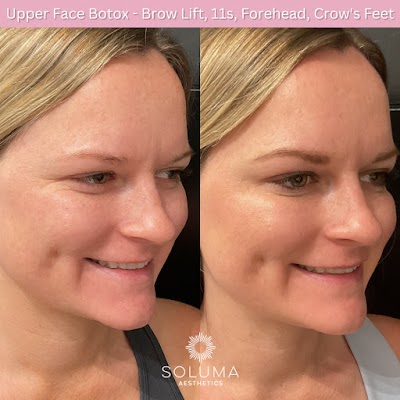

Frown lines between the brows, the “11s,” are workhorses of facial expression. They engage when you concentrate, squint, or react. Botulinum toxin excels here. By weakening the corrugator and procerus muscles, the central brow softens and vertical lines fade. Deep etched lines may need several cycles to fully relax, and sometimes a touch of filler later to iron out a stubborn crease.
Crow’s feet around the eyes reflect years of smiling and squinting. Carefully placed botox injections relax the outer orbicularis oculi, leaving your smile intact but less scrunched. If you are prone to cheek smile lines, the injector must respect your cheek elevators to avoid a “flat” smile.
Bunny lines on the nose, vertical lip lines in smokers, a pebbly chin, and a downturned mouth corner are secondary areas we treat with adjusted dosages. Each comes with trade-offs. Lips in particular require feather-light dosing to avoid speech or straw difficulty.
For men, botox for men follows the same principles but accounts for stronger muscles, denser skin, and different aesthetic preferences. Many men want a wider forehead with visible movement. That often means higher units and a structured map that maintains a natural brow.
The art of a natural result
The technique that produces natural looking botox is more than injecting standard points. It starts with a live map of your expressions. In my consultations, I have you animate through surprise, anger, a wide smile, tight eyes in bright light, and relaxed rest. We note asymmetries, old scars, muscle dominance, and how your brows sit relative to your orbital rim. Then we plan a botox procedure that respectfully trims the strength of specific fibers while preserving the functions you value.
Dose matters. Baby botox, micro botox, and light botox are not different drugs, they are dosing strategies and dilution choices. A smaller amount delivered across more points can diffuse the effect and keep some movement. That is great for first time botox patients, screen actors, or anyone who wants subtle botox with a quick fade-in and soft fade-out. Heavier etched lines, such as deep forehead furrows or long-standing frown lines, need standard dosing at first. Once those relax, maintenance can be lighter.
Placement matters more than dose. One millimeter higher or lower can shift how a brow tail rests. If you tend to lift one eyebrow more, asymmetric dosing is necessary. A right-handed injector who does every face the same way is not the professional botox provider you want. Precision comes with experience and humility. We all get better by watching how each face responds over several botox sessions.
Safety, side effects, and what to expect
Is botox safe? Used correctly by a licensed botox provider, botox cosmetic has a long safety record spanning decades and millions of treatments. Most side effects are minor and temporary. Expect tiny red bumps or welt-like spots that settle in 10 to 20 minutes, occasional pinpoint bruising that fades in several days, and a mild headache in the first 24 hours for a small percentage of people. Makeup can usually be applied gently after two to four hours, once the injection points close.
The uncommon but solvable effects include heaviness of the brows if the forehead is overdosed or if the natural brow position is low to begin with. That sensation often improves as you adjust, and can be balanced with a small touch up to the frown muscles or a conservative brow lift placement. Rare eyelid droop comes from diffusion into the levator muscle and typically improves over 2 to 6 weeks. Apraclonidine drops can temporarily lift the lid by stimulating Müller’s muscle. Choosing an experienced botox injector reduces these risks because they understand anatomy, dilution, and vector planning.
Contraindications are straightforward. People with active neuromuscular disorders, known allergies to components of the formulation, or those who are pregnant or breastfeeding should avoid botox therapy. If you have an important event, schedule your botox appointment at least two weeks before, ideally three or four, to allow full settling and any touch up.
The timeline of results and longevity
How long does botox last? Most patients feel a change at day 3 to 5, reach the peak effect at around 14 days, then enjoy a steady phase for 8 to 10 weeks before things gradually wake up. The full range is 3 to 5 months, depending on dose, metabolism, muscle strength, and how much you exercise. High-intensity athletes often metabolize more quickly. Early in your botox maintenance journey, it can take two or three cycles to remodel very stubborn lines, especially between the brows. Think of it as training a muscle to behave differently.
Longevity also varies by area. Crow’s feet, with thin muscle fibers, may hold 3 to 4 months. The frown complex, which is deeper and stronger, often lasts longer if dosed correctly. Forehead longevity depends on how much movement you want to keep. Lighter dosing equals more motion and a slightly shorter duration. There is no “best botox treatment” universally, only the best match for your anatomy and goals.
Botox and skin quality: smoothing beyond lines
Clients often ask whether botox can improve skin texture itself. It can, with nuance. Since botox limits movement, the skin’s microfolding decreases, which reduces the appearance of fine lines. Makeup sits better because the canvas is not being tugged as hard. Photos taken in side lighting show fewer shallow creases. Micro botox techniques place highly diluted product into the very superficial dermal layer to gently reduce pore appearance and sebaceous activity, especially across the T-zone. This approach requires careful selection, small volumes, and an injector comfortable with microdroplet placement.
For crepey eyelid skin or midface texture changes from volume loss or sun damage, botox is an adjunct, not the star. Pairing wrinkle relaxing injections with nonablative resurfacing, medical-grade skincare, and collagen-stimulating treatments produces more global smoothing. That plan starts with a botox consultation that looks at the whole face. When we treat the upper face only, the lower face and neck can reveal age through banding, marionette lines, or volume shifts. A complete plan avoids that mismatch by sequencing treatments sensibly over three to six months.
What a typical botox session feels like
Your first appointment starts with photos from neutral and expression views. Consent covers the known benefits and risks. The skin is cleaned thoroughly. I do not numb for standard botox injections because the needle is tiny and numbing cream can distort anatomy, but I use distraction techniques and ice to make it comfortable. Each injection feels like a small pinch or sting, and it is over in seconds. The entire botox face treatment for the upper face typically runs 10 to 15 minutes.
You will have tiny raised blebs where the product sits superficially, which flatten quickly. I advise no vigorous exercise, massages, or head-down yoga for the rest of the day, and no rubbing the treated zones. Normal routines resume the next morning. For makeup wearers, a clean brush or sponge reduces the chance of introducing bacteria into the fresh pinpoints. Bruising is uncommon but possible. Arnica helps the appearance but does not change the timeline much.
Two weeks later, a botox follow up is the quality control step. I document symmetry, ask about function, and make micro-adjustments if needed. A 2 to 4 unit tweak can shift a brow tail, soften a residual line, or restore a hint of movement if we went too quiet for your taste. Patients who skip the follow up lose a valuable learning moment that improves the next cycle.
Cost, pricing, and value
Botox cost varies by region, practice, and whether pricing is per unit or by area. In urban centers, pricing per unit often ranges from $10 to $20. An average upper-face treatment can run 30 to 60 units, depending on muscle strength and goals. That puts typical botox pricing between the mid hundreds and just over a thousand. Clinics that advertise bargain, overly affordable botox may be diluting beyond recommended levels, rushing appointments, or using less experienced injectors. Cheaper per unit is not cheaper if you need more frequent visits or if you dislike the result.
Look for transparency in botox price quotes and a plan tailored to your face. High-quality, professional botox is not only the injection, it is the medical assessment, safe environment, evidence-based dosing, sterile technique, and follow up. If you are searching “botox near me,” prioritize a licensed botox provider with deep experience, not just a convenient location or a flash sale.
Who benefits most and who should pause
People with dynamic lines that appear during expression but soften at rest are prime candidates. If your main concern is etched-in lines that sit there even when your face is still, botox still helps, but the improvement will be partial at first. Repeated cycles, combined with skincare and sometimes dermal filler, can lift those creases over time.
If you have very low Soluma Aesthetics botox Orlando brows or heavy upper eyelid skin, aggressive forehead treatment could lower your brows further. I often propose a conservative forehead plan while focusing on the frown muscles to ease the downward force and create a gentle lift. For patients with depression or a history of strong emotional expressivity, we discuss how reducing frown capacity may feel. Many appreciate looking less stern, but some want to keep strong movement for their work or identity. There is no wrong answer, only informed consent and shared decision making.
If your schedule cannot accommodate a two-week ramp-up before a key event, wait. A last-minute botox refresh the week of a wedding may not deliver peak results, and any bruise becomes more stressful. Plan your botox session at least two, ideally four weeks ahead.
Pairing botox with other treatments
Botox works best when it is part of a coherent skincare and aesthetic plan. Sun protection is non-negotiable. Ultraviolet exposure undermines collagen and makes skin look rough regardless of muscle activity. Retinoids, vitamin C, and barrier-supportive moisturizers improve tone and resilience. For texture that botox cannot touch, fractional lasers or microneedling with radiofrequency build collagen over months. In the lower face, neuromodulators can play a role in masseter slimming or correcting a gummy smile, but volume loss is often the culprit there, so fillers or biostimulatory agents may be needed.
Strategic sequencing matters. A common pattern is to schedule botox first, wait two weeks to let the muscles relax, then perform laser or microneedling so the skin is not moving during treatment, improving pass consistency. If you are combining with filler, I usually place botox first to quiet dynamic forces, then evaluate if any etched lines still need filling after the neuromodulator reaches full effect.
Managing expectations and avoiding the “frozen” fear
The fear of looking frozen comes from seeing overtreated faces or a mismatch between dose and patient preference. With modern botox aesthetic treatment planning, that outcome is avoidable. I ask every patient where they want to keep expressivity. Some say they need a little frown to parent teenagers. Others are on camera and want vivid brows. We can preserve that by keeping the frontalis active in targeted zones and focusing relaxation in the frown complex that creates an angry look. The result is natural looking botox that moves a bit in the right places and stays smooth where lines are most bothersome.
Photographic botox before and after comparisons help calibrate expectations. I like to show matched lighting and expressions: brow raise, hard frown, big smile. Often, the differences are most striking in expression motion rather than at rest. At rest, patients look quietly refreshed, not transformed. If you want dramatic change at rest, you might be aiming for volume or skin therapy rather than neuromodulation alone.
First appointment checklist
- Clarify your top two priorities, such as botox for forehead lines or botox for crow’s feet. Bring or take clear photos of your typical expressions and any angles that bother you. Share medical history, medications, supplements, and any prior treatments. Ask about unit counts, dilution, and expected botox longevity for your plan. Schedule your botox follow up for 10 to 14 days after treatment.
Maintenance, touch ups, and the long game
Botox maintenance is not about chasing a calendar, it is about watching how your face wakes up. Most patients schedule their next botox appointment at the first sign of regained movement that brings back lines they dislike, generally every 3 to 4 months. Letting everything fully wear off between cycles is not necessary, but skipping every other cycle can be reasonable if budgets or seasons demand it. There is no evidence that long-term cosmetic use “stretches” the skin in a harmful way. On the contrary, patients who maintain regular wrinkle relaxing injections often show slower progression of etched lines compared to their untreated peers.
Touch ups are small adjustments. If at the two-week check a brow tail peaks a little high, a 1 to 2 unit placement can balance it. If a strong muscle fiber resists, a micro add-on settles it. Consistency builds better maps. Over the course of a year, I fine-tune dose and points so the plan fits your face like a custom suit.
Special situations and edge cases
Thicker male foreheads and strong corrugators need higher units and sometimes deeper injections to reach the target muscle belly. People of color with melanin-rich skin often show fewer superficial lines but can develop deep expression grooves. Precision dosing prevents over-softening areas that provide facial character, like a proud brow or a powerful smile.
For endurance athletes, neuromodulators can metabolize faster. Planning for a touch up at 8 to 10 weeks may suit your training cycles. Migraines sometimes improve when the frown complex is treated, an effect backed by medical botox research for chronic migraine at different dosing patterns than cosmetic use. If you notice fewer headaches after cosmetic botox, share that with your provider. It can inform future mapping.
If you are needle-averse, ask to see the needle before treatment. It is shorter and finer than most vaccines. Use of ice, topical vibration, and calm breathing helps. I talk through each step to remove the unknown. Most patients are surprised at how quick it is, and they describe the sensation more as pressure than pain.
Choosing a provider and setting standards
Credentials matter. A botox specialist is not defined by a social media handle but by training, volume of procedures performed, and a track record of safe, consistent outcomes. Look for a licensed botox provider who welcomes your questions, discusses risks and alternatives, and does not rush. Beware of one-size-fits-all botox service menus that promise the same units for every face. Faces are not templates. If a provider only sells “forehead package” and will not adjust for your anatomy, keep looking.
During your botox consultation, ask about product handling. Botox cosmetic should be stored and reconstituted according to manufacturer guidance. Excessive dilution undermines longevity. Ask how many units you are receiving and where. Your chart should show a map. If this information is vague, it is a red flag.
What success looks like
A great botox result blends into your life. Friends may comment that you look rested or ask about your skincare. You notice your morning mirror check is less adversarial. Makeup goes on faster. Photos require fewer edits. The best compliment I hear is, “I feel like myself, just on a good day.” That is the aim of botox skin treatment, smoother texture and reduced lines without sacrificing your natural range of expression.
The path to that result is collaborative. Come with clear goals, choose an experienced botox injector, respect the settling timeline, and commit to a realistic maintenance plan. Whether you prefer preventative botox with whisper-light dosing, a seasonal botox refresh before travel and events, or a steady quarterly schedule, the strategy should feel tailored and sustainable.
Quick answers to common questions
How soon will I see botox results? Light changes by day 3 to 5, full effect by day 14. Plan your botox session accordingly.
How long does botox last? Most people enjoy 3 to 4 months, sometimes 5, depending on dose and metabolism.
Will I look frozen? Not if your provider customizes dose and placement. Natural looking botox keeps some movement in key areas.
What about botox side effects and downtime? Minimal downtime, possible tiny bruises, rare eyelid heaviness that resolves. Normal routines resume next day.
Is there such a thing as affordable botox without compromise? Yes, but value is more than price. Seek transparent botox pricing, a thoughtful plan, and a licensed provider. Saving a little per unit means little if you are unhappy for three months.
When should I come back? Book your next botox appointment as you start to see lines returning during expression. Most patients return every 12 to 16 weeks.
Final perspective
Botox cosmetic injections are not a cure for aging, they are a smart way to slow the patterns that carve years onto the face. Used with judgment, they soften expression lines, improve skin smoothness, and harmonize how you look with how you feel. The science is straightforward, the art is in the map. If you are ready to explore botox for facial wrinkles, find a provider who treats your face as a one-of-a-kind design. Ask questions, review your botox before and after photos together, and shape a maintenance plan that respects your goals. That is how wrinkle relaxing injections deliver the quiet confidence most people seek.